Hixson Utility District of Tennessee partnered with HomeServe to offer the ServLine Leak Protection Program in 2019. We spoke with Greg Butler, HUD's General Manager, to learn about his utility's and residents' experiences with the benefits of the ServLine program.
Water Conservation
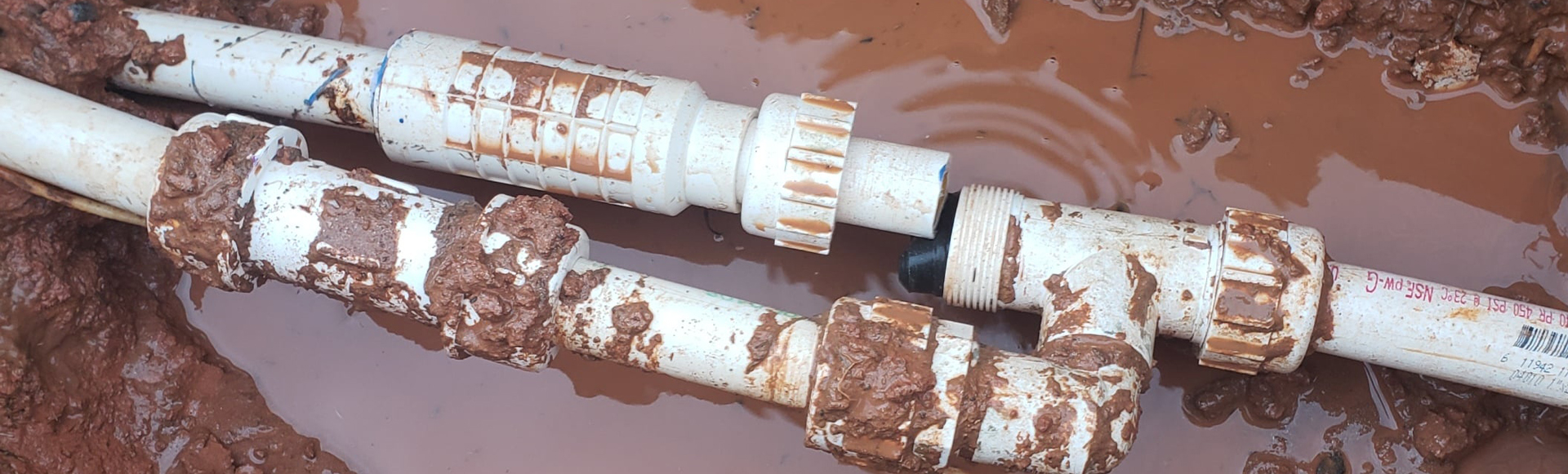
Muddy Lawn Indication of Hidden Water Service Line Leak
by HomeServe USA | Jun 10, 2024
Ken G. of Hermitage, Tennessee, often spent time away from his home during the winter months. As a retiree, it wasn’t a problem for him to secure his home and enjoy himself somewhere else. Unfortunately, after one of Ken’s trips, he came home to an unpleasant surprise...
Record Heat Compounds Need for Residential Water Conservation Solutions
by HomeServe USA | Jun 7, 2024
Record heat expected this year, compounding the need for residential water conservation solutions The year 2023 was the warmest since records began in 1850, putting it at 2.43 degrees Fahrenheit above the preindustrial average, according to the U.S. National Oceanic...
Residential Infrastructure 2024
by Bill Eller | Jun 3, 2024
HomeServe is committed to supporting the last mile of energy infrastructure. Providing exceptional service and piece of mind to your customers is our top priority.
Residential Infrastructure Day Celebrated by HomeServe
by HomeServe USA | Apr 15, 2024
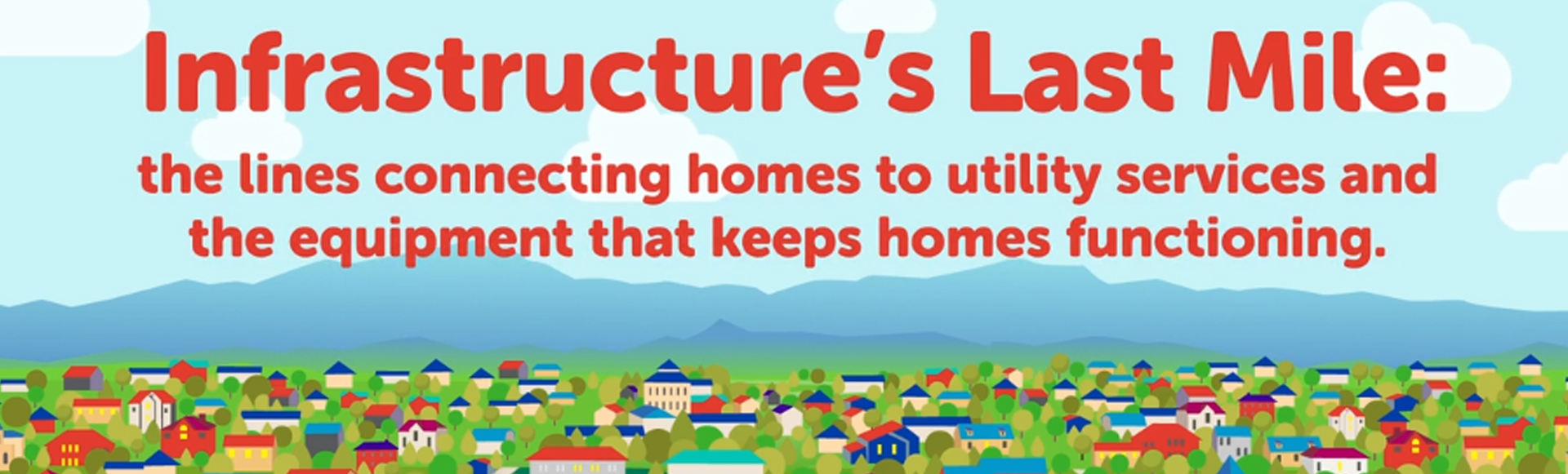
Residential Infrastructure Day on May 20th is a day to highlight infrastructure’s “last mile.” It’s the electric, sewer, water, and cable lines that connect homes to utility systems, and household heating, cooling, and water heating equipment critical to everyday...
How Much Are Water Leaks Costing You and Your Customers?
by HomeServe USA | Apr 4, 2024
Aside from wasting a tremendous amount of water, leaking water and sewer lines can result in unexpected high water bills and repair emergencies for which your customers are unprepared. Leaks are also costly to the utility, leading to lost revenue, bad debt and...
Lead lines, water loss, and leak administration – OH MY! Webinar with NRWA
by HomeServe USA | Mar 19, 2024
In addition to public infrastructure challenges, water systems are dedicating resources to support customers with myriad private infrastructure issues. An average household in the U.S. uses about 300 gallons of water every day, 12% of which is lost to water leaks from...
Increase In Extreme Cold Events Posing New Challenges for Water Providers
by Bill Eller | Feb 13, 2024
While it’s intuitive to link “global warming” with hotter and longer heatwaves, longer droughts, more wildfires, and heavier rain, the link is less obvious when it comes to an increase in extreme cold events across North America, particularly in areas that have not...
Infrastructure Week 2023
by HomeServe USA | Jan 29, 2024
Happy Infrastructure Week! We will be adding new infrastructure information, statistics, and more every day, so don’t forget to check back.Over the Last 5 YearsPeople StoriesItzel Perez Dominguez considered the purchase of a home – her first – carefully. She knew...
High Consumption and Leading Causes of Water Loss
by HomeServe USA | Jan 29, 2024
Residents are changing their approaches to water conservation, especially as climate change leads to irregular weather patterns. High consumption and water leaks can come through everyday tasks, such as gardening and watering the lawn, but the gallons that can be lost...
Subscribe to Monthly Emails
Recent Posts
$4,000 Water Bill Reveals Hidden Problem for Town of Rock Hill Resident
Dennis, a resident of Rock Hall, Maryland, received a call from his water utility following their quarterly water meter reading. To his surprise, the meter indicated that his household had used an astonishing 100,000 gallons of water over the past three months. The...
Water Conservation More Important than Ever During Drought
The Western United States is experiencing a slow-moving crisis: drought. In fact, drought has impacted more people globally over the past 40 years than any other type of natural disaster, and it is the second most costly natural disaster in the United States,...
Residential Water Conservation Solutions Call for Urgency During Periods of Record Heat
The year 2023 was the warmest since records began in 1850, putting it at 2.43 degrees Fahrenheit above the preindustrial average, according to the U.S. National Oceanic and Atmospheric Administration (NOAA). The record was driven by fossil fuels and an El Niño climate...